We are the Authorized Excellent Channel Distributor by Chainway,the Top RFID Reader manufacturer, Best RFID Products Supplier in China, providing high quality RFID scanners devices, RFID readers, RFID tags ,etc.
Language
Radio Frequency Identification (RFID) is transforming retail. But what exactly is RFID? It's a technology that uses electromagnetic fields to automatically identify and track tags attached to objects. The system consists of three main components: tags, readers, and antennas. Tags, embedded with a unique identifier, can be attached to products. Readers communicate with these tags via antennas, collecting data without direct line-of-sight, making the process efficient and seamless.
RFID isn't just about scanning barcodes anymore. It's about automating and revolutionizing the way businesses manage inventory and track assets. Imagine walking into a warehouse where every product is instantly locatable. That's the power of RFID.
With RFID, retailers can track inventory in real-time, reducing errors and improving stock accuracy. This ensures products are always available, enhancing customer satisfaction.
One of the most significant benefits of RFID for retailers is enhanced inventory management. RFID provides real-time inventory tracking, allowing retailers to know exactly what they have in stock at any given moment. This visibility reduces out-of-stock situations, ensuring that customers always find what they're looking for.
Improved inventory accuracy is another critical advantage. Traditional inventory methods are prone to human error, but RFID minimizes these mistakes. The result? Retailers can maintain optimal stock levels, reduce excess inventory, and improve overall efficiency.
RFID technology also streamlines supply chain operations. By providing faster and more accurate shipment verification, RFID helps retailers ensure that they receive exactly what they ordered. This reduces the likelihood of shrinkage and theft, as items are tracked throughout the entire supply chain.
Enhanced product traceability is another key benefit. With RFID, retailers can trace products back to their source, ensuring authenticity and quality. This is particularly important in industries like food and pharmaceuticals, where safety and compliance are paramount.
RFID doesn't just benefit retailers; it also enhances the customer experience. Faster checkout processes are possible with RFID-enabled systems, as items are scanned automatically without the need for individual barcode scanning. This reduces wait times and improves customer satisfaction.
Additionally, RFID helps ensure product availability. With better inventory management, retailers can keep shelves stocked with popular items. This means fewer disappointed customers and more repeat business. Personalized shopping experiences are also facilitated by RFID, as retailers can gather data on customer preferences and tailor their offerings accordingly.
Cost savings and increased efficiency are significant advantages of RFID. By reducing labor costs associated with manual inventory counts, RFID allows retailers to allocate resources more effectively. Decreased losses due to theft and misplacement further contribute to cost savings.
Increased overall operational efficiency is a direct result of RFID implementation. With streamlined processes and better data accuracy, retailers can operate more effectively, reduce waste, and improve profitability. RFID technology transforms the way retailers manage their businesses, leading to long-term success.
Uniform RFID tagging across the supply chain ensures seamless integration and reliable data. This standardization simplifies operations and enhances overall efficiency.
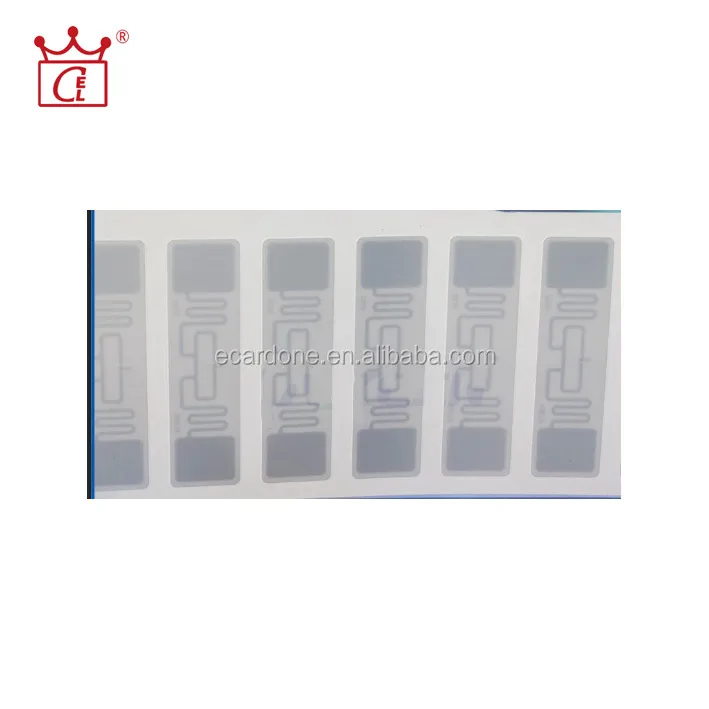
Retailers are increasingly requesting suppliers to source tag RFID labels to ensure consistency and standardization across the supply chain. Uniform RFID tagging simplifies the integration of RFID systems, making it easier for retailers to manage inventory and track products. Consistency in RFID tags means that data is reliable and comparable, which is crucial for effective supply chain management.
Standardization also facilitates better communication between retailers and suppliers. When everyone uses the same RFID standards, it becomes easier to share information and coordinate activities. This collaborative approach leads to more efficient operations and improved business relationships.
Improved data sharing between retailers and suppliers is a significant benefit of RFID. With RFID, both parties can access real-time information about inventory levels, shipment status, and product location. This enhanced visibility allows for better coordination and planning, reducing the likelihood of stockouts or overstock situations.
Better coordination in inventory management is another key advantage. With RFID, retailers and suppliers can work together to optimize inventory levels, ensuring that products are available when and where they are needed. This collaborative approach leads to more efficient operations and improved customer satisfaction.
Sharing the investment in RFID technology between retailers and suppliers makes financial sense. By distributing the costs, both parties can benefit from the efficiencies that RFID brings without bearing the full financial burden. This shared approach to investment encourages wider adoption of RFID technology, leading to industry-wide improvements.
Long-term cost savings for both retailers and suppliers are another compelling reason for RFID adoption. While there are upfront costs associated with implementing RFID, the long-term benefits far outweigh these initial expenses. Over time, both retailers and suppliers can expect to see significant savings in labor costs, reduced theft, and improved operational efficiency.
Adherence to global and industry-specific standards is crucial for retailers and suppliers alike. RFID technology helps ensure compliance with these standards, reducing the risk of penalties and ensuring smooth operations. By using standardized RFID tags, retailers and suppliers can avoid regulatory issues and maintain high levels of quality and safety.
Compliance with industry standards also enhances the reputation of both retailers and suppliers. Customers are more likely to trust businesses that adhere to recognized standards, leading to increased loyalty and sales. RFID technology helps businesses maintain compliance and build trust with their customers.
Implementing RFID requires a significant upfront investment in tags and technology. Suppliers must carefully budget and plan to manage these initial costs effectively.
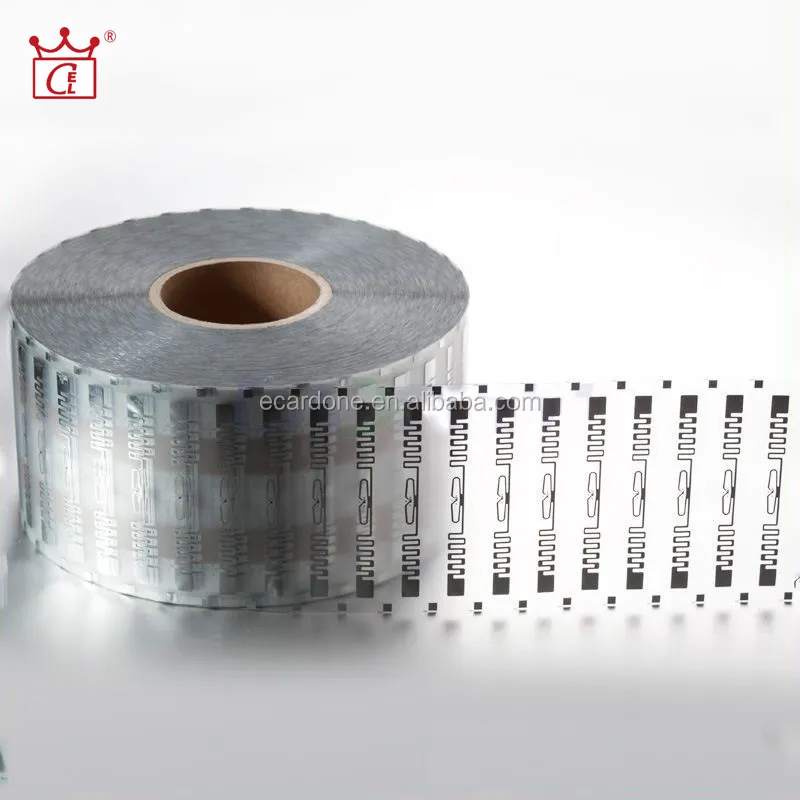
Implementing RFID technology requires an upfront investment in tags and equipment. Suppliers need to budget for these costs and plan accordingly. While the initial expenses can be significant, the long-term benefits of RFID make it a worthwhile investment.
Financial planning is crucial for suppliers considering RFID implementation. By carefully assessing the costs and potential savings, suppliers can make informed decisions about their RFID strategy. It's important to consider not only the immediate expenses but also the long-term return on investment.
Compatibility with current inventory and ERP systems is a key consideration for suppliers. RFID technology needs to integrate seamlessly with existing systems to be effective. This may require technical upgrades or modifications to ensure compatibility.
Overcoming technical hurdles is part of the RFID implementation process. Suppliers need to work closely with technology providers to address any integration issues and ensure a smooth transition. By proactively managing these challenges, suppliers can maximize the benefits of RFID technology.
Training staff to handle RFID technology is essential for successful implementation. Employees need to understand how to use RFID equipment and interpret the data it provides. This requires a commitment to training and skill development.
Developing expertise in RFID implementation is another important consideration. Suppliers need to build internal capabilities to manage and maintain RFID systems. This investment in human capital ensures that suppliers can fully leverage the benefits of RFID technology.
Protecting sensitive data is a critical aspect of RFID implementation. Suppliers need to ensure that the data collected by RFID systems is secure and protected from unauthorized access. This involves implementing robust security measures and adhering to data protection regulations.
Ensuring compliance with data protection regulations is essential for maintaining customer trust. Suppliers need to be aware of the legal requirements related to data privacy and take steps to ensure compliance. By addressing security and privacy concerns, suppliers can protect their customers and their business.
RFID technology offers significant benefits for retailers including enhanced inventory management, streamlined supply chain operations, improved customer experiences, and cost savings. By requesting suppliers to source tag RFID labels, retailers can ensure consistency and standardization, enhance collaboration and visibility, distribute costs, and comply with industry standards.
Encouraging suppliers to embrace RFID technology is essential for the future of retail. By working together, retailers and suppliers can fully leverage the benefits of RFID, driving efficiencies and improving customer satisfaction. RFID will play a crucial role in the future of retail, transforming the way businesses operate and enhancing the overall shopping experience.


