We are the Authorized Excellent Channel Distributor by Chainway,the Top RFID Reader manufacturer, Best RFID Products Supplier in China, providing high quality RFID scanners devices, RFID readers, RFID tags ,etc.
Language
Radio Frequency Identification (RFID) technology might sound like a mouthful, but it's actually a fascinating and increasingly ubiquitous part of our daily lives. RFID is a technology that uses electromagnetic fields to identify and track tags attached to objects automatically. These tags contain electronically stored information that can be read from several feet away. The origins of RFID date back to World War II, when the British used it to identify friendly aircraft. Since then, the technology has evolved significantly, becoming more compact, cost-effective, and versatile.
RFID systems are comprised of three key components: tags, readers, and antennas. RFID tags come in two main types: active and passive. Active tags have their own power source and can transmit signals over longer distances, while passive tags rely on the RFID reader to power them. RFID readers, which can be either handheld or fixed, communicate with the tags to retrieve the stored information. Antennas play a crucial role in this communication process, transmitting the electromagnetic waves that power passive tags and receiving data back from both active and passive tags.
RFID readers are the backbone of RFID technology, enabling the seamless identification and tracking of tagged objects. Understanding how these devices work can shed light on their widespread applications and benefits. Let’s dive into the operating principles, types, and frequency ranges of RFID readers.
At its core, an RFID reader functions by generating an electromagnetic field that activates RFID tags within its range. Here’s a step-by-step breakdown of how this process works:
● Activation: The RFID reader emits a radio frequency signal via its antenna. When an RFID tag enters this field, it gets activated. Passive RFID tags rely on the reader's signal to power up, while active tags use their own internal power source.
● Communication: Once activated, the RFID tag modulates the signal and sends it back to the reader. This signal contains the unique data stored on the tag, such as an identification number or product information.
● Data Processing: The reader's antenna receives the modulated signal and passes it to the reader's internal processor. The processor decodes the signal and extracts the relevant data.
● Transmission: The extracted data is then transmitted to a connected computer system or database for further processing. This could involve updating inventory records, granting access, or triggering an alert.
RFID readers come in various types, each designed to meet specific needs and applications. Here are the main types of RFID readers:
● Fixed RFID Readers: These are stationary devices installed at strategic locations, such as entry and exit points, conveyor belts, or assembly lines. Fixed readers are ideal for continuous monitoring and automated tracking of items. They are commonly used in warehouses, manufacturing plants, and retail environments. For example, a fixed RFID reader can track products as they move through a production line, ensuring that each item is accounted for and properly processed.
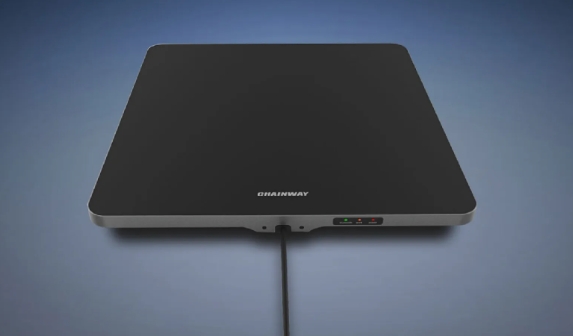
● Handheld RFID Readers: Portable and versatile, handheld RFID readers allow users to scan items on the go. These readers are particularly useful in environments where flexibility and mobility are crucial, such as in retail stores, healthcare facilities, and field operations. Store employees can use handheld readers for quick stock checks, while healthcare professionals can track medical equipment and patient information easily.
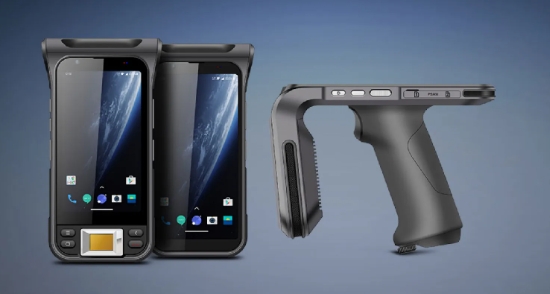
● Integrated RFID Readers: These readers combine the reader and antenna into a single compact device. Integrated readers are often used in applications where space is limited or where a discreet installation is required. They are commonly found in access control systems and small-scale inventory management setups. For instance, integrated RFID readers can be embedded in door frames to control access to secure areas in an office building.
RFID readers have revolutionized various industries by offering efficient, reliable, and innovative solutions for tracking and managing assets. Let’s delve into some of the most impactful applications of RFID readers.
In the realm of inventory management, RFID readers provide a game-changing solution. Traditional inventory tracking methods, like barcode scanning, can be time-consuming and prone to human error. RFID readers streamline this process by enabling real-time tracking of inventory items. They can scan multiple items simultaneously, making stocktaking faster and more accurate. This capability ensures that inventory data is always up-to-date, reducing the risk of stockouts and overstock situations.
For example, large retailers like Walmart have implemented RFID technology to enhance their inventory management systems. The result is more efficient supply chains, improved product availability, and significant cost savings. The ability to quickly locate items within a warehouse or store also improves overall operational efficiency, allowing staff to focus on more value-added tasks.
RFID readers are widely used in access control systems to enhance security and manage entry to restricted areas. These systems use RFID-enabled badges or cards that employees or authorized personnel carry. When an individual scans their RFID badge at a reader, the system checks their credentials and grants or denies access accordingly.
This technology is prevalent in various settings, from corporate offices and educational institutions to hospitals and government buildings. For instance, in a hospital, RFID access control systems ensure that only authorized staff can enter sensitive areas like operating rooms or medication storage units. This level of control not only enhances security but also helps maintain compliance with regulatory requirements.
In supply chain management, RFID readers offer unparalleled visibility and control over the movement of goods. They enable the tracking of items throughout the entire supply chain, from manufacturing and warehousing to distribution and retail. This real-time tracking capability allows companies to optimize their logistics processes, reduce lead times, and improve overall supply chain efficiency.
A notable example is the use of RFID technology in the automotive industry. Car manufacturers and suppliers use RFID to track parts and components throughout the assembly process. This ensures that the right parts are available at the right time, reducing production delays and enhancing overall efficiency. Additionally, RFID helps in tracking finished vehicles during shipping and delivery, providing accurate and timely information to dealers and customers.
The healthcare industry has embraced RFID technology to improve patient safety, streamline operations, and enhance the management of medications and equipment. In hospitals, RFID readers are used to track patients, ensuring that they receive the correct treatments and medications. This reduces the risk of medical errors and enhances the overall quality of care.
RFID technology is also used to manage medical equipment and supplies. For instance, RFID readers can track surgical instruments and ensure they are properly sterilized and available when needed. In the pharmaceutical sector, RFID helps in tracking medications from the manufacturer to the pharmacy, ensuring that the supply chain is secure and that patients receive authentic and safe medications.
In retail and e-commerce, RFID readers play a crucial role in enhancing the customer experience and improving operational efficiency. Retailers use RFID technology to keep track of stock levels in real-time, ensuring that products are always available on the shelves. This helps in preventing stockouts and reducing lost sales opportunities.
RFID technology also aids in theft prevention. RFID tags attached to products can trigger alarms if an item is taken out of the store without proper checkout. Moreover, the technology speeds up the checkout process, as RFID readers can scan multiple items simultaneously, reducing wait times for customers.
E-commerce businesses benefit from RFID by improving their warehousing and fulfillment processes. Real-time inventory tracking ensures that online orders are processed accurately and quickly. This leads to faster delivery times and higher customer satisfaction.
In summary, RFID readers are a powerful technology that offers numerous benefits across a wide range of applications. By understanding how RFID readers work and their various types and frequency ranges, we can appreciate their versatility and potential. RFID technology has already transformed industries such as inventory management, access control, and healthcare, and its future looks even more promising with ongoing innovations and market growth.
As the landscape of RFID technology continues to evolve, businesses and individuals alike are encouraged to explore its potential. Whether you’re looking to improve efficiency, enhance security, or stay ahead of the competition, RFID readers offer a practical and effective solution. The journey of RFID technology is far from over, and its impact on our world is only just beginning.


